
If you've noticed 'cica' popping up on more skincare labels lately, you're not imagining it. This ingredient has moved from Korean pharmacies to Australian bathroom shelves in just a few years. Cica skincare centres on centella asiatica, a small green plant with a big reputation for calming irritated skin.
The reason cica keeps showing up matters more than the trend itself. Two plant compounds inside it, madecassoside and asiaticoside, have genuine wound-healing evidence behind them. That's also why cica has become a standard ingredient in post-procedure skincare, including products like mesoestetic Melan Recovery.
What Is Cica, and Why Does Everyone Suddenly Know About It?
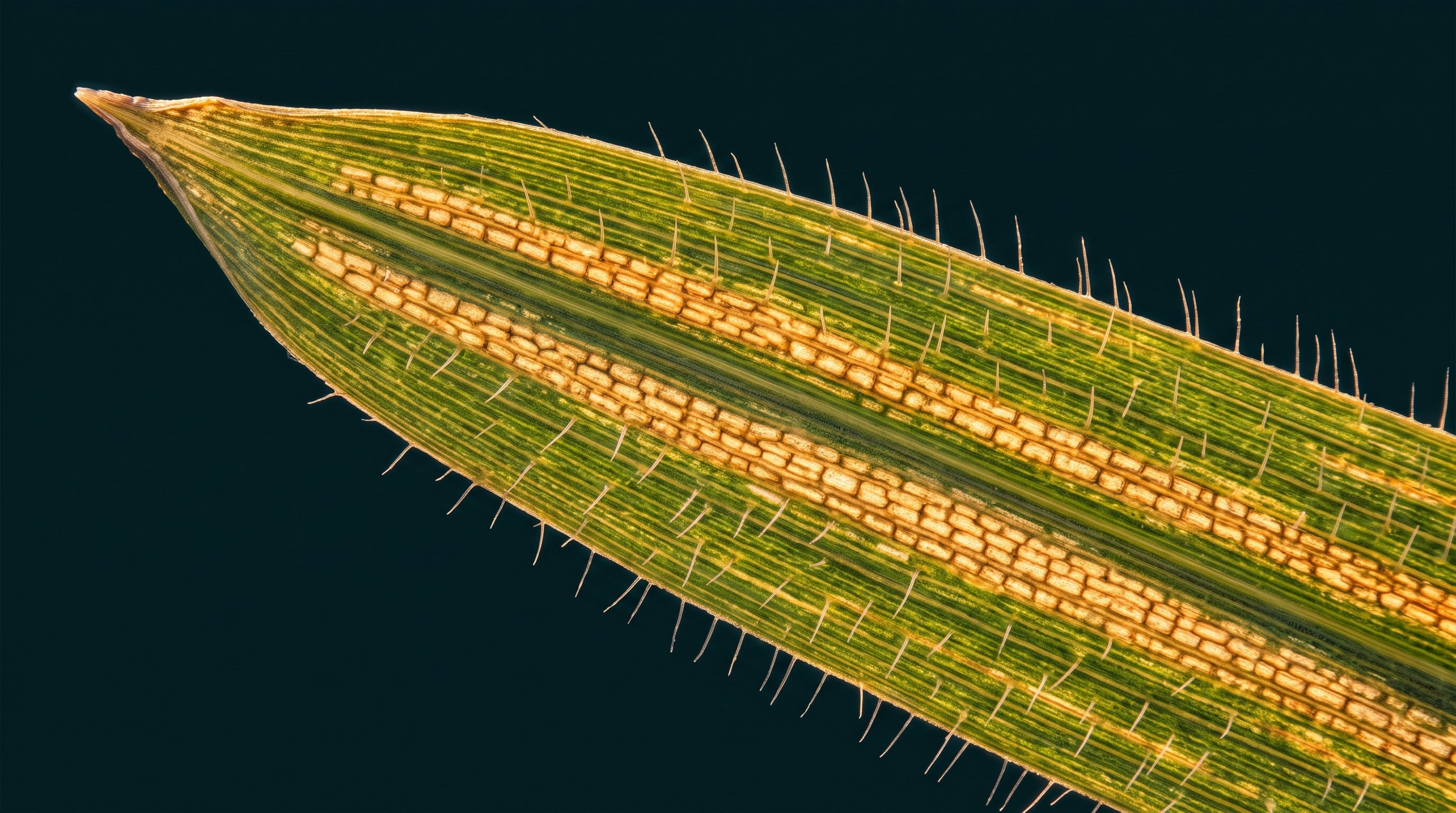
Cica is short for centella asiatica, also called tiger grass or gotu kola. It's a leafy plant that grows across Asia, Australia, and parts of Africa. Traditional healers have used it for centuries to help wounds close and skin recover.
The name 'tiger grass' comes from an old story. Tigers with wounds were seen rolling in the plant, and their wounds seemed to heal faster. That folklore turned into real scientific study, and today centella asiatica is one of the most researched calming ingredients in skincare.
Cica works well for skin that's stressed, reactive, or recovering from something. This includes stress-related flare-ups, sun exposure, or in-clinic treatments. It's not a trend built on nothing. The research actually backs it up.
Key Takeaways
- Cica skincare uses centella asiatica, also called tiger grass, to calm irritated skin.
- Its two key compounds, madecassoside and asiaticoside, are plant actives with real wound-healing evidence.
- Studies show they reduce inflammation and support collagen production, the protein that helps skin repair and stay strong.
- This is why cica has become standard in post-procedure skincare, including products like mesoestetic Melan Recovery, which uses centella derivatives to support skin after treatment...
What Are Madecassoside and Asiaticoside? The Science Behind Cica
Centella asiatica contains several active compounds, but two stand out in the research: madecassoside and asiaticoside. Both belong to a group called triterpenoids, plant compounds known for calming and repairing skin.
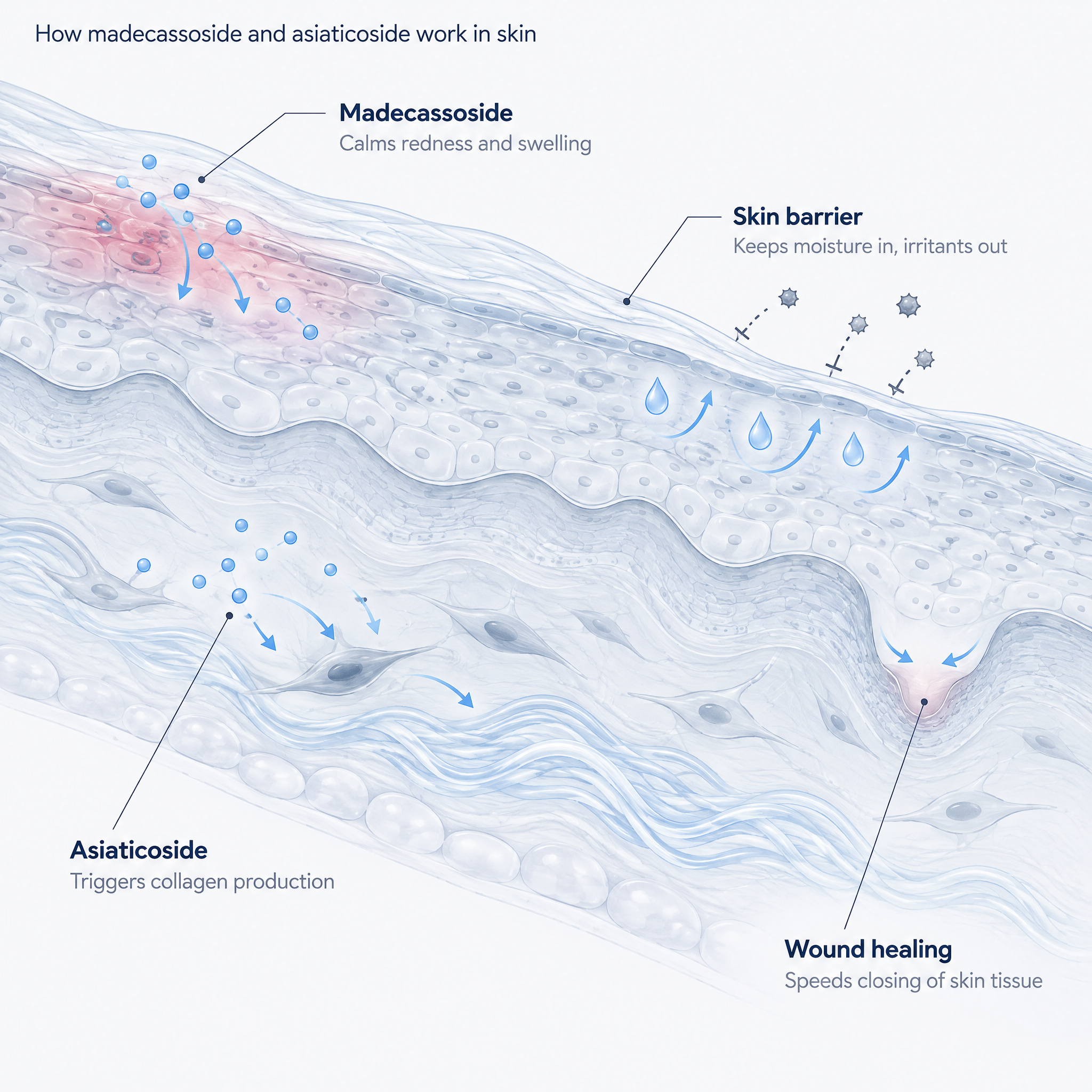
Madecassoside is the compound most studied for its anti-inflammatory action, meaning it helps calm redness and swelling in irritated tissue. Studies suggest it works on the skin's own repair signals, rather than just masking symptoms. It's also been shown to support the skin barrier, the outer layer that keeps moisture in and irritants out.
Asiaticoside works a little differently. Research shows it helps trigger collagen production, the protein that gives skin its strength and structure, a mechanism also explored in our guide to peptides in skincare. Studies on wound healing found asiaticoside sped up the closing of skin tissue, which is why it's valued in recovery-focused formulas.
Together, these two compounds explain why cica isn't just a soothing buzzword. There's a real mechanism at work, calming irritation while helping skin rebuild itself.
Why Has Cica Become Standard in Post-Procedure Skincare?
Skin treatments like peels, laser, and microneedling all work by creating a controlled injury. Your skin needs to heal that injury properly to get the full benefit of the treatment. This is where cica ingredients earn their place in clinics and homecare routines.
Madecassoside and asiaticoside both support the skin's natural healing response without slowing it down. This matters after a procedure, when skin is more sensitive and the barrier is temporarily weaker, a topic covered in more depth in our guide to ceramides and barrier repair. Cica ingredients help calm the redness and tightness that often follow treatment, while supporting skin as it rebuilds.
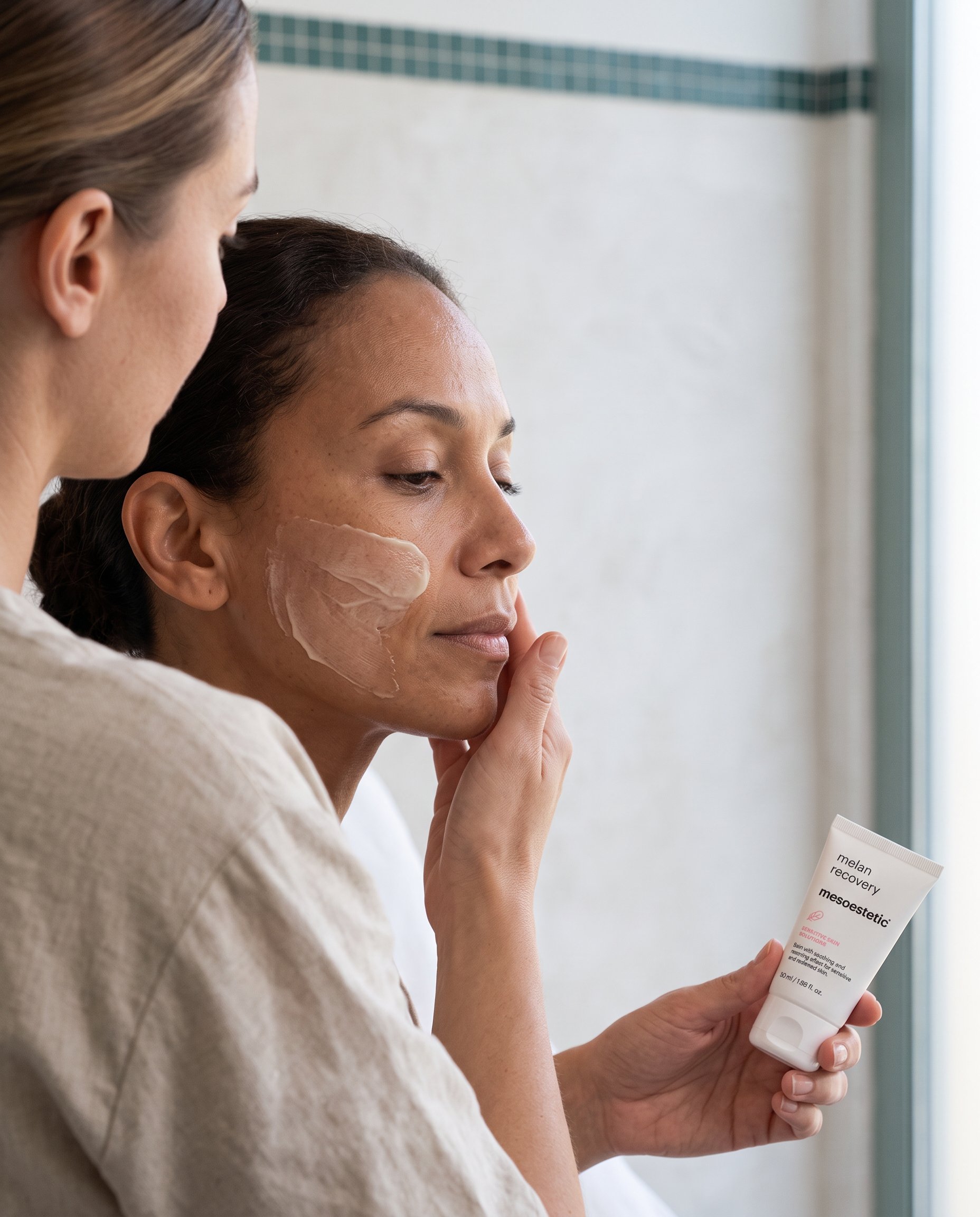
This is why you'll find centella derivatives in dedicated recovery formulas, including mesoestetic Melan Recovery. Products like this are designed to sit alongside professional treatments, not replace good aftercare advice. If you're planning any in-clinic work, our guide to skin recovery covers more on supporting your skin through recovery periods.
Who Benefits Most From Cica Ingredients?
You don't need a clinic treatment to benefit from cica skincare. Anyone with sensitive, reactive, or easily flushed skin can benefit from its calming action. This includes skin that reacts to weather changes, new products, or everyday stress.
People managing redness-prone skin, including rosacea-type flushing, often find cica gentler than stronger active ingredients like azelaic acid. It also suits skin recovering from sun exposure or over-exfoliation. If your barrier feels compromised, cica can work alongside barrier-focused products, like ASAP's Soothing Gel, to calm and support skin at the same time.
Cica isn't only for damaged or reactive skin, though. Many people add it simply because their skin runs warm or sensitive during certain seasons or life stages. It plays well with most other ingredients and rarely causes problems on its own.
How Do You Add Cica Skincare to Your Routine?
Cica ingredients show up in many forms, including serums, moisturisers, sheet masks, and spot treatments. For most people, a cica moisturiser is the easiest way to bring calming benefits into a daily routine. Browse our moisturiser collection to find formulas with centella derivatives suited to your skin.
If your skin deals with both dryness and sensitivity, it helps to understand the difference between the two first. Our guide on dry versus dehydrated skin explains why this matters before you choose your next product.
Cica pairs well with most other ingredients, including hydrators such as hyaluronic acid and gentle exfoliants like PHAs. It's generally considered safe for morning and night use. As always, patch test new products first, especially if your skin is currently irritated or freshly treated.
Cica skincare has earned its place through evidence, not just trend cycles. Madecassoside and asiaticoside both show studied effects on inflammation, healing, and barrier support. That's a rare thing in an industry full of marketing claims with little behind them.
Whether your skin is recovering from a procedure, dealing with everyday sensitivity, or just needs some calm, centella-based ingredients are worth understanding. Take time to learn what your skin actually needs before adding anything new. Understanding an ingredient is always the first step to using it well.


